


Current declared disasters
SBA is currently offering loans to assist in recovery from the declared disasters below. Verify your eligibility and start the application process. You can also find additional help or read up on the latest federal updates at fema.gov.
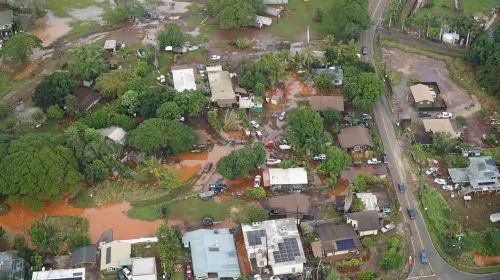
Hawaii severe storms
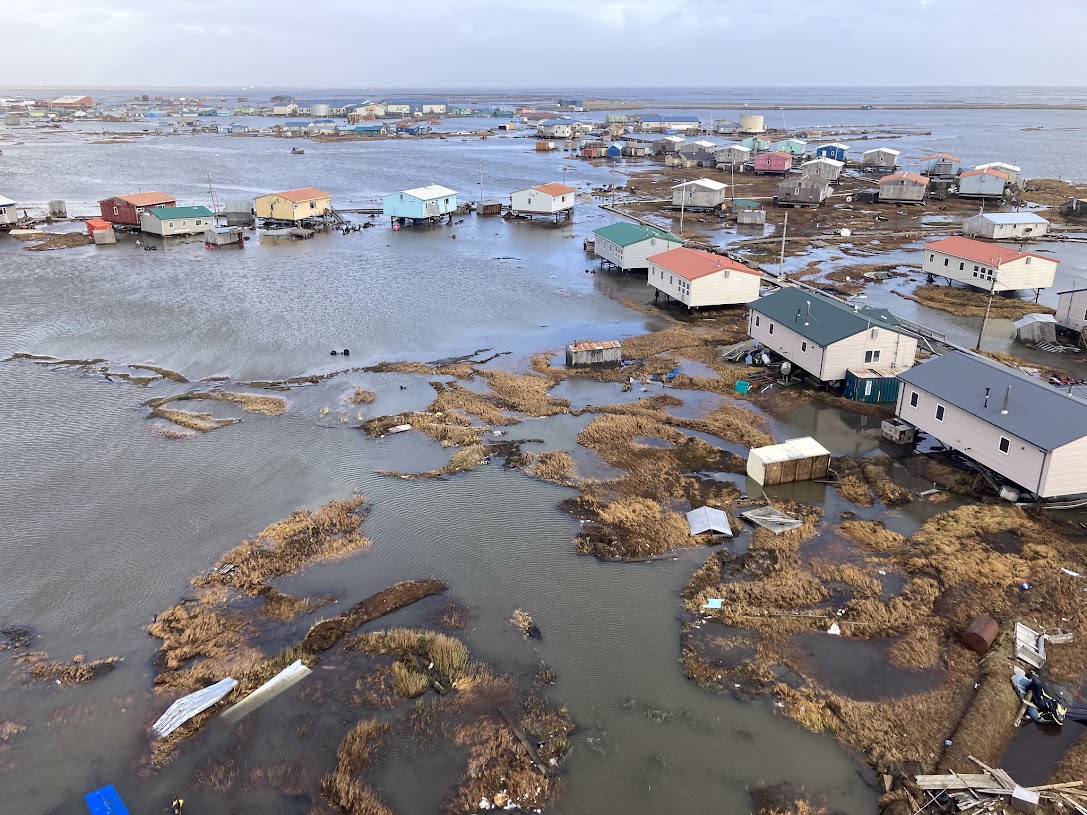
Alaska floods
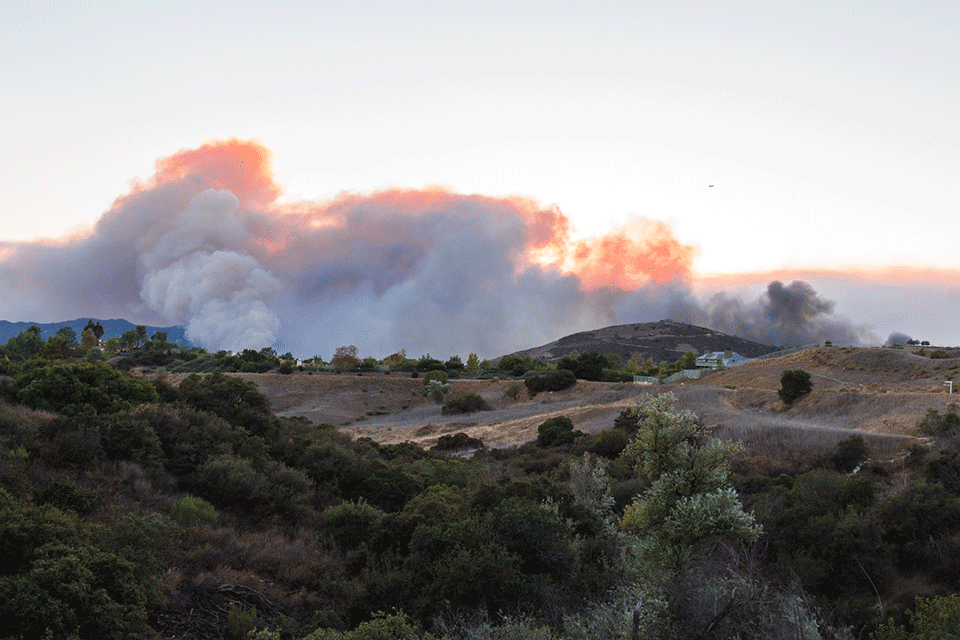
California wildfires
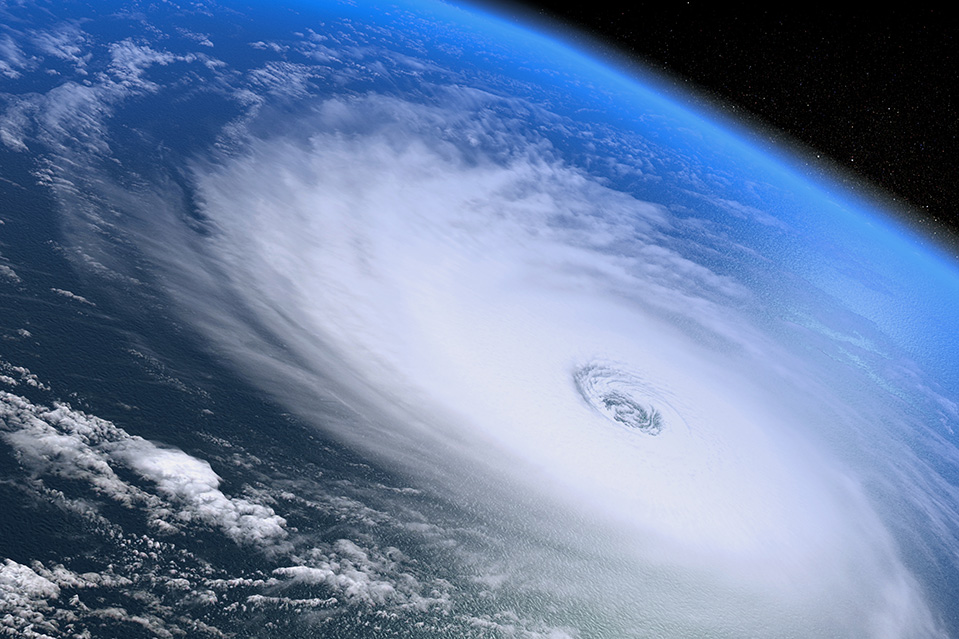
Hurricane Helene
You can also search to see if your county is eligible for other disaster assistance or find options for bypassing permitting delays.
Who can apply for an SBA disaster loan?
- Businesses of all sizes
- Homeowners
- Renters
- Private nonprofit organizations
SBA disaster loans can be used for
- Losses not covered by insurance or funding from the Federal Emergency Management Agency for both individuals and businesses
- Business operating expenses that could have been met had the disaster not occurred
Find out how to use the SBA Loan Portal to check your application status and manage your loan.
Disaster loan types
Get help
Types of available disaster loans
See which of SBA’s loans is best for you. Learn about disaster loan types.
Physical damage loans
Repair or replace disaster-damaged property. Homeowners, Renters, and private non-profit organizations are eligible.
If your home or personal property has been damaged in a declared disaster area you may be eligible for low-interest financial assistance from SBA. As a homeowner, renter, or personal property owner you may apply to SBA for a loan to help you recover from the disaster.
Eligibility
These loans cover disaster losses not fully covered by insurance or other sources. Proceeds from insurance coverage on home or property may be deducted from the eligible loan amount.
Homeowners may apply for up to $500,000 to replace or repair their primary residence.
Renters and homeowners may borrow up to $100,000 to replace or repair personal property — such as clothing, furniture, cars, and appliances — damaged or destroyed in a disaster.
Use of proceeds
- You may not use the funds to upgrade homes or make additions, unless required by the local building code.
- You may be eligible for up to a 20% loan amount increase above the real estate damage, as verified by SBA, for improvements that will help prevent risk of future property damage.
- SBA can refinance all or part of a previous mortgage in some cases, when the applicant does not have credit available elsewhere and has suffered substantial disaster damage.
Terms
- First payment deferred for 12 months
- No interest accrual for the first 12 months
For applicants unable to obtain credit elsewhere:
- The interest rate will not exceed 4%
- SBA will determine whether an applicant can obtain credit elsewhere
Maturity
- Up to 30 years
- No pre-payment penalty or fees
Collateral requirements
- Collateral is required to the extent possible for physical damage loans over $50,000 in Presidential declarations and $14,000 in SBA Administrative declarations.
- Real estate is the preferred form of collateral, even if the equity is insufficient to secure the full loan amount.
- SBA will ask the applicant for available collateral, but will not decline a loan for lack of collateral.
How to apply
Apply online for an SBA disaster assistance loan. SBA’s inspectors will estimate the cost of damage once your application is completed and submitted. Secondary homes or vacation properties are not eligible for these loans. However, qualified rental properties may be eligible for assistance under SBA’s business physical disaster loan program.
If your business property, real estate, inventories, supplies, machinery and equipment, or other items have been damaged in a declared disaster area, you may be eligible for low-interest financial assistance from SBA. Businesses of any size and most private non-profit organizations may apply to SBA for a loan to recover after a disaster.
Eligibility
- Up to $2 million to qualified businesses or most private nonprofit organizations to cover disaster losses not fully covered by insurance.
- Covers disaster losses not fully covered by insurance or other sources. If required to apply insurance proceeds to an outstanding mortgage on the damaged property, that amount can be included in your disaster loan application.
- Proceeds from insurance coverage on business property may be deducted from the eligible loan amount.
Use of proceeds
Loan proceeds may be used for the repair or replacement of the following:
- Real property
- Machinery
- Equipment
- Fixtures
- Inventory
- Leasehold improvements
Disaster loan funds may not be used to upgrade or expand a business, except as required by building codes. If you apply for mitigation assistance to make improvements that help reduce the risk of future property damage, you may be eligible for up to a 20% loan amount increase above the real estate damage, as verified by SBA.
Terms
- First payment deferred for 12 months
- No interest accrual for the first 12 months
For applicants unable to obtain credit elsewhere:
- The interest rate will not exceed 4%
For applicants who can obtain credit elsewhere:
- The interest rate will not exceed 8%
SBA will determine whether an applicant can obtain credit elsewhere.
Maturity
- Up to 30 years, depending on ability to repay the loan
- No pre-payment penalty or fees
Collateral requirements
- Collateral is required to the extent possible for physical damage loans over $50,000 in Presidential declarations and $14,000 in agency declarations.
- Real estate is the preferred collateral. Loans of $200,000 or less will not require the owner of the business to use their primary residence as collateral if it is determined the owner has other assets of equal quality and of a value equal to or greater than the amount of the loan.
How to apply
Apply online for an SBA disaster assistance loan. SBA’s inspectors will estimate the cost of damage once your application is completed and submitted.
Economic Injury Disaster Loans (EIDL)
Working capital loans to help small businesses meet their ordinary and necessary financial obligations that cannot be met as a direct result of the disaster. These loans are intended to assist through the disaster recovery period.
If you have suffered substantial economic injury and are one of the following types of businesses located in a declared disaster area, you may be eligible for an SBA EIDL:
- Small business
- Small agricultural cooperative
- Most private nonprofit organizations
Eligibility
- Substantial economic injury means the business is unable to meet its financial obligations and pay its regular and necessary operating expenses
- Loss of expected profits or a decline in sales is not considered substantial economic injury
- EIDL provides the necessary working capital to help small businesses impacted by a disaster survive until normal operations resume
- EIDL assistance is available only to small businesses when SBA determines they are unable to obtain credit elsewhere
- Businesses must meet the following criteria to qualify for economic injury:
- The business was directly impacted by the disaster
- The business cannot cover expenses due to the disaster and/or debt payments
- The business was physically located in the declared disaster area
SBA can provide loans to help cover the costs and expenses that your business would have been able to handle if the disaster did not happen. The EIDL amount will depend on how much financial impact you have experienced and your company’s financial needs, even if you didn’t suffer any property damage.
A separate SBA Disaster Assistance program known as business physical disaster loans covers property damage. A business may qualify for both an EIDL and a physical disaster loan. The maximum combined loan amount is $2 million.
Use of proceeds
- Working capital and normal expenses such as the continuation of health care benefits, rent, utilities, and fixed debt payments
- EIDL funds cannot be used for expanding facilities, buying fixed assets, repairing physical damages, refinancing debt, paying out dividends or bonuses, or paying back loans to stockholders or principals
Terms
- First payment deferred for 12 months
- No interest accrual for the first 12 months
- The interest rate will not exceed 4%
Maturity
- Up to 30 years, with repayment term to be determined by ability to repay the loan
- No pre-payment penalty or fees
Collateral requirements
- Required for loans over $50,000
- Real estate is the preferred collateral. Loans of $200,000 or less will not require the owner of the business to use their primary residence as collateral if it is determined the owner has other assets of equal quality and a value equal to or greater than the amount of the loan.
Military reservist loans
The SBA Military Reservist Economic Injury Disaster Loan (MREIDL) is a financial assistance program designed to help small businesses meet ordinary and necessary operating expenses when an essential employee is called to active military duty.
Eligibility
- The maximum Military Reservist Economic Injury Disaster Loan (MREIDL) amount is $2 million.
- The amount of each loan is limited to the actual economic injury as calculated by SBA, business interruption insurance and whether the business and/or its owners have sufficient funds to operate.
- If your business is a major source of employment, SBA has authority to waive the $2 million statutory limit.
- Businesses with the financial capacity to fund their own recovery are not eligible for MREIDL assistance.
- Federal law requires SBA to first determine whether the credit necessary to accomplish full recovery is available from non-government sources without creating an undue financial hardship.
- The filing period begins on the date the essential employee receives a notice of expected call-up and ends one year after the essential employee is discharged or released from active duty.
Use of proceeds
You can use proceeds for ordinary and necessary operating expenses.
You may not use proceeds:
- To cover lost income or lost profits
- In lieu of regular commercial debt, to refinance long-term debt, or to expand the business
Terms
- First payment deferred for 12 months
- No interest accrual for the first 12 months
- The interest rate is 4%
Maturity
- Up to 30 years, depending on ability to repay the loan
- No pre-payment penalty or fees
Collateral requirements
- SBA will not decline a loan for lack of collateral, but will require the borrower to pledge collateral that is available.
- Collateral is required for all MREIDL loans which are greater than $50,000.
- SBA accepts real estate as collateral when it is available.
Mitigation assistance
Increase your low-interest SBA physical property damage loan to help mitigate future damage to a home, business or non-profit. Can also be increased up to 20% of verified damages to help make property improvements that eliminate future damage or save lives.
Wind mitigation
Upgrade to building materials that can reduce high-wind damage to your roof and windows:
- Strengthen structures to protect against high wind damage.
- Brace or upgrade to wind-rated garage doors.
- Upgrade to pressure-rated windows.
- Install hurricane roof straps.
- Install a safe room or storm shelter built to Federal Emergency Management Agency guidelines.
Flood mitigation
Shore up your property and reduce the risk of flood damage:
- Seal a roof deck.
- Landscape your property to improve water runoff and drainage.
- Elevate structures.
- Relocate your home or business outside a flood plain
- Add a sump pump.
- Convert the lowest floor to a flexible space that is less likely to be damaged in a flood.
Wildfire mitigation
Reduce your risk of damage from wildfires with fire-grade materials:
- Install a Class A fire-rated roof.
- Install 1/8” mesh screening over all vents to keep embers out of eaves and vents.
- Install non-combustible gutters, fences, and gates.
- Remove roof and gutter debris that can be ignited by airborne embers.
- Replace single-pane windows with dual- or multi-pane tempered glass windows.
Earthquake mitigation
Safeguard your home or business against the next earthquake:
- Strengthen and retrofit masonry buildings and concrete facilities that are vulnerable to ground shaking.
- Install window film to prevent shattered glass injuries.
- Anchor any rooftop-mounted equipment.
Hail mitigation
Upgrade your materials to protect against hail damage:
- Upgrade your building’s materials (for shingles, windows, skylights, and siding) to withstand significant impact.
- Install HVAC hail protection such as hail guards, shields, or wire mesh.
- Upgrade to steel gutters and downspouts, which are less likely to leak.
Prepare for emergencies
Prepare for emergencies with a three-step plan that allows you to prevent and prepare for disaster and know where to get aid if disaster strikes.
Get help with your SBA disaster loan
Apply online for help with a disaster or ask about an existing application.
- Current disaster survivors can apply online for a disaster loan. You can also call 800‐659‐2955 or schedule an in-person appointment if you have any questions.
- For specific assistance with existing COVID EIDL loans, email CESC@sba.gov.
- Borrowers who need assistance with PPP direct forgiveness can call SBA at 866-722-4357 from Monday through Friday, 8:00 a.m. to 5:00 p.m. ET. Closed on all federal holidays. The call center can only assist PPP direct forgiveness applicants.
- All other questions can be directed to the SBA Disaster Assistance Customer Service Center at disastercustomerservice@sba.gov.